Winnie Marrie: A Modern Script Font for Elegant Design
Winnie Marrie is more than just a font—it's a creative tool that brings a unique blend of femininity and trendiness to any design project. With its irregular baseline and modern script style, it stands out as a versatile option for those looking to elevate their visual communication. Whether you're designing wedding invitations, business cards, or social media graphics, Winnie Marrie offers an elegant touch that can make your work stand out.
But like any design element, using Winnie Marrie effectively requires understanding its strengths and limitations. Many designers and creators may not realize how important it is to choose the right font for the right purpose. Let's explore what makes Winnie Marrie special, common pitfalls to avoid, and how to use it to its full potential.
What Makes Winnie Marrie Unique?
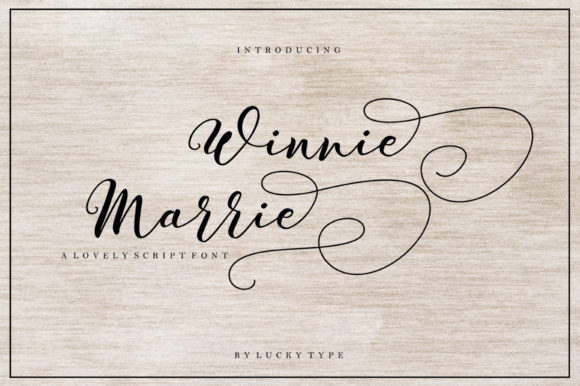
Winnie Marrie is designed with a contemporary aesthetic in mind. Its irregular baseline gives it a handcrafted, organic feel that feels more personal than traditional fonts. This characteristic makes it ideal for projects that require a touch of elegance and individuality. The font’s feminine style adds a softness that works well for branding, especially in industries like fashion, beauty, and event planning.
However, this very feature can also be a double-edged sword. The irregular baseline might not align well with other design elements if not used carefully. For example, when pairing Winnie Marrie with a more structured typeface, the contrast could create visual tension rather than harmony.
Common Mistakes When Using Winnie Marrie
One of the most frequent mistakes is overusing the font. While Winnie Marrie looks great in headlines or short phrases, using it for long blocks of text can reduce readability. Its intricate details may become hard to follow, especially on smaller screens or in low-resolution prints.
Another common error is not considering the context of use. For instance, a wedding invitation that uses Winnie Marrie might look stunning, but if the font is too ornate, it could overshadow the message. Similarly, a logo that relies too heavily on the font’s decorative elements may appear unprofessional if not balanced properly.
How These Mistakes Affect Results
Using Winnie Marrie inappropriately can lead to poor user experience, especially in digital formats. If the font is too small or too stylized, it may not be legible, which can hurt communication. In print, incorrect sizing or spacing can result in a messy layout that fails to convey the intended message.
Additionally, choosing the wrong license or file format can cause technical issues. Some fonts require specific software or licensing agreements, and ignoring these details can lead to legal problems or compatibility issues.
Practical Advice for Better Use of Winnie Marrie
To get the most out of Winnie Marrie, start by testing it in different sizes and contexts. Try using it in headings, captions, and short quotes to see how it performs. Avoid using it in body text unless you're confident in its readability at that scale.
When combining it with other fonts, look for complementary styles. A clean sans-serif or serif font can balance the irregularity of Winnie Marrie and create a more cohesive design. For example, pairing it with a simple font like Open Sans can provide contrast without overwhelming the viewer.
Realistic Examples and Better Approaches
Imagine you're designing a thank-you card for a bridal shower. Instead of using Winnie Marrie for the entire message, use it for the greeting and signature while keeping the body text in a simpler font. This approach maintains the elegance of the script without sacrificing clarity.
For a logo, consider using Winnie Marrie as a secondary element rather than the main text. It can add a stylish flair to a more straightforward logo design, making it both memorable and professional.
What to Check Before Using Winnie Marrie
Before downloading or purchasing Winnie Marrie, verify that it’s available in the correct format for your needs. Common formats include OTF, TTF, and web fonts. Make sure the license allows for the intended use, whether it’s personal, commercial, or for multiple projects.
Also, check the font’s character set. Some fonts may not include all necessary symbols, numbers, or punctuation, which can limit their usefulness. If you’re working on a multilingual project, ensure the font supports the required languages.
Final Thoughts on Choosing the Right Font
Fonts are more than just visual elements—they play a crucial role in how information is perceived and understood. Winnie Marrie is a powerful choice for adding style and sophistication, but it’s important to use it thoughtfully. By avoiding common mistakes and following best practices, you can ensure that your designs are both beautiful and effective.
Remember, the goal is to enhance communication, not complicate it. With the right approach, Winnie Marrie can become a valuable asset in your design toolkit, helping you create work that resonates with your audience.