Solitaire: A Handwritten Script Font for Elegant Design
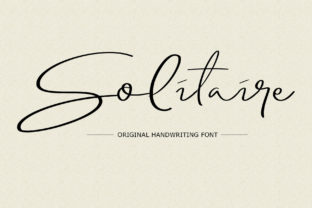
Solitaire is a script font that offers a unique blend of elegance and authenticity. Its handwritten style makes it an appealing choice for designers seeking to add a personal touch to their work. Whether you're creating a logo, a wedding invitation, or a branding project, Solitaire can bring a sense of warmth and individuality to your designs.
Understanding Solitaire
Solitaire is a script font that mimics the look of hand-drawn lettering. It features fluid lines and natural variations in stroke width, which give it a more organic feel compared to traditional serif or sans-serif fonts. This characteristic makes it ideal for projects that require a custom or artisanal aesthetic. The font is often used in contexts where a human touch is desired, such as in stationery, branding, or editorial design.
Why Consider Solitaire?
Designers may be drawn to Solitaire for several reasons. First, its handwritten appearance can convey a sense of authenticity and craftsmanship. This is particularly valuable in industries like fashion, food, or art, where a personal connection with the audience is important. Second, Solitaire offers versatility in terms of application. It can be used in both digital and print formats, making it suitable for a wide range of design projects.
Additionally, Solitaire's readability in smaller sizes makes it practical for use in body text, though it may not be the best choice for long paragraphs. Its unique style can also help differentiate a brand or design from competitors, providing a distinctive visual identity.
Benefits of Using Solitaire
One of the primary benefits of Solitaire is its ability to add character to a design. Unlike standard typefaces, which can sometimes feel generic, Solitaire brings a sense of individuality. This can be especially beneficial when trying to create a memorable brand presence. The font's fluidity and variation also allow for creative expression, enabling designers to experiment with different layouts and compositions.
Another advantage is its compatibility with other typefaces. Solitaire can pair well with more structured fonts, creating a balanced contrast that enhances readability without sacrificing style. This makes it a flexible option for designers who want to maintain a cohesive visual language across multiple elements of a project.
Tradeoffs and Considerations
While Solitaire has many strengths, it may not be the best choice for every project. One potential drawback is its limited legibility in certain contexts. In large blocks of text, the fluidity of the script can make reading more challenging. For this reason, it's generally recommended for headings, titles, or short phrases rather than extended content.
Another consideration is the availability of the font. Depending on the platform or design software being used, access to Solitaire may be restricted. Some versions may require purchase or subscription, which could affect budget considerations. Additionally, not all design tools may support the full range of stylistic alternates or ligatures that come with the font, which could limit creative flexibility.
Situations Where Solitaire Excels
Solitaire is particularly well-suited for projects that emphasize personalization or artistic expression. For example, it can be an excellent choice for wedding invitations, where a handwritten feel adds a sense of intimacy and thoughtfulness. It also works well for branding materials, such as business cards or packaging, where a unique visual identity is important.
In editorial design, Solitaire can be used to highlight key sections of a publication, such as headlines or captions. Its elegant appearance can elevate the overall look of a magazine or newsletter, making it more visually engaging. Additionally, in digital marketing, Solitaire can be used in social media graphics or email campaigns to create a more approachable and authentic tone.
When Alternatives Might Be Better
There are situations where alternative fonts may be more appropriate. For instance, if a project requires high readability in large amounts of text, a more conventional typeface might be a better choice. Fonts like Helvetica, Arial, or Times New Roman are designed for clarity and consistency, making them ideal for body text or technical documents.
Similarly, if a designer is aiming for a modern or minimalist aesthetic, a clean sans-serif font may be more effective. These fonts tend to convey professionalism and simplicity, which can be preferable in corporate or tech-related contexts. In such cases, the stylized nature of Solitaire could detract from the intended visual message.
Decision-Making Insights
When deciding whether to use Solitaire, it's important to consider the specific goals of the project. Ask yourself: What message do I want to convey? Who is my target audience? What visual tone is most appropriate? These questions can help guide the selection process and ensure that the chosen font aligns with the overall design strategy.
It's also helpful to test the font in different contexts. Experiment with how it looks in various sizes, colors, and backgrounds. This can reveal any potential issues with legibility or aesthetics before finalizing the design. Additionally, reviewing examples of how others have used Solitaire can provide inspiration and insight into its effective application.
Ultimately, Solitaire is a powerful tool for adding a personal and elegant touch to design work. However, its suitability depends on the specific needs and goals of each project. By carefully evaluating its strengths and limitations, designers can make informed decisions about whether it's the right choice for their work.