The Rise of Tearjerking: A New Era in Typography and Emotional Design
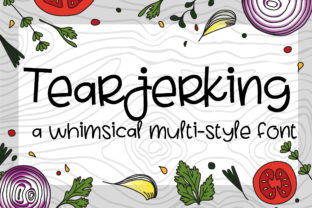
In an age where visual communication is more powerful than ever, the right typeface can evoke emotions, shape brand identity, and influence user experience. One such font that has recently captured the attention of designers, marketers, and creatives alike is Tearjerking. This unique hand-written font blends serifs, script elements, and sans-serif characteristics into a single, versatile typeface that feels both authentic and modern. As the design world continues to evolve, Tearjerking represents a shift toward more expressive, human-centric typography that resonates with audiences on a deeper level.
Typography is no longer just about readability—it's about storytelling. With the rise of digital platforms, social media, and personalized marketing, the demand for fonts that convey emotion and personality has never been higher. Tearjerking fits perfectly into this landscape, offering a style that feels personal, dynamic, and emotionally engaging. Whether used in branding, advertising, or content creation, this font adds a touch of warmth and authenticity that traditional typefaces often lack.
What Is Tearjerking? A Unique Blend of Styles
Tearjerking is more than just a font—it’s a creative expression. Designed with a mix of script and serif elements, it mimics the fluidity of handwritten text while maintaining the structure and clarity of traditional typography. The result is a typeface that feels like it was written by hand, yet remains legible and professional. This combination makes it ideal for a wide range of applications, from logos and headlines to social media posts and email campaigns.
Unlike many other fonts that lean heavily into one style—either purely script or purely sans-serif—Tearjerking embraces a hybrid approach. It incorporates the elegance of serifs, the grace of script, and the simplicity of sans-serif forms. This versatility allows it to adapt to different contexts without losing its distinct character. For example, it can be used in a formal business setting as a headline, or in a casual, creative project as a signature element.
The font also features subtle variations in stroke weight and spacing, which add to its organic feel. These small details make it stand out in a world where most typefaces are designed for uniformity and consistency. By embracing imperfections, Tearjerking creates a sense of authenticity that modern audiences increasingly value.
The Broader Impact of Tearjerking on Design Trends
The popularity of Tearjerking reflects a larger trend in the design industry: the move toward more humanized, emotionally resonant visuals. In recent years, there has been a growing emphasis on creating experiences that feel genuine and relatable. This shift is evident in everything from branding strategies to user interface design, where the goal is not just to inform but to connect.
This trend aligns with the broader movement toward emotional design, a concept that focuses on how visual elements can influence feelings and behaviors. Fonts play a crucial role in this process, as they can subtly shape how users perceive a message. Tearjerking, with its warm, hand-crafted aesthetic, is particularly effective at evoking positive emotions and fostering a sense of trust and connection.
Moreover, the rise of personalized marketing has increased the demand for fonts that can convey individuality and uniqueness. As businesses seek to stand out in a crowded market, they are turning to typefaces like Tearjerking to create a more distinctive and memorable brand presence. This is especially true in industries such as fashion, lifestyle, and creative services, where visual identity plays a key role in customer engagement.
Why People Are Paying Attention to Tearjerking
There are several reasons why Tearjerking has gained traction among professionals and creators. First and foremost, it offers a fresh alternative to the rigid, overly structured fonts that have dominated the design world for years. In a time when originality is highly valued, Tearjerking provides a way to break free from the monotony of standard typefaces.
Another factor contributing to its popularity is its adaptability. Whether used in print, digital media, or social platforms, Tearjerking maintains its visual appeal and functionality. This makes it a practical choice for designers who need a font that works across multiple formats without requiring extensive customization.
Additionally, Tearjerking taps into the current fascination with handwritten aesthetics. In a digital-first world, there is a growing appreciation for the imperfections and nuances of human handwriting. This trend is reflected in everything from social media posts to packaging design, where the goal is to create a more personal and authentic experience for the audience.
How Tearjerking Fits Into Modern Workflows and Expectations
As design workflows become more streamlined and technology-driven, the need for versatile and easy-to-use typefaces has never been greater. Tearjerking meets this demand by offering a font that is both visually compelling and technically sound. Its clean lines and balanced structure ensure that it remains readable even at smaller sizes, making it suitable for a wide range of applications.
For entrepreneurs and freelancers, Tearjerking can be a valuable tool in building a strong brand identity. Whether used in a logo, website header, or marketing material, it adds a unique touch that sets a business apart from its competitors. This is especially important in industries where differentiation is key, such as e-commerce, content creation, and digital marketing.
Furthermore, Tearjerking supports multiple languages and character sets, making it a practical choice for global brands and international projects. This flexibility ensures that it can be used across different markets and cultures without compromising its visual integrity.
Practical Examples of Tearjerking in Action
One of the most notable uses of Tearjerking is in the realm of branding and identity design. Many startups and independent businesses have adopted this font to create a more approachable and relatable brand image. For instance, a boutique coffee shop might use Tearjerking in its logo to convey a sense of warmth and craftsmanship, while a tech company could use it in a tagline to add a touch of creativity and innovation.
In the world of social media marketing, Tearjerking has proven to be a powerful tool for engaging audiences. Its hand-written style makes it ideal for creating eye-catching headlines, captions, and call-to-action buttons. When used effectively, it can help a post stand out in a crowded feed and encourage user interaction.
Another area where Tearjerking shines is in content creation, particularly in blogs, newsletters, and email campaigns. By incorporating this font into headings and subheadings, writers can add a personal touch to their content, making it more engaging and memorable. This is especially useful for niche markets or communities that value authenticity and individuality.
Looking Ahead: The Future of Emotional Typography
As the design industry continues to evolve, the role of typography in shaping user experiences will only become more significant. Tearjerking is part of a larger movement toward emotional and expressive typefaces, which are expected to play a central role in future design trends. This shift reflects a growing recognition that visual communication is not just about conveying information—it’s about creating connections.
With the increasing focus on user-centered design, fonts like Tearjerking will likely become even more relevant. As businesses strive to build stronger relationships with their audiences, the ability to communicate through visually compelling and emotionally resonant typefaces will be a key differentiator. This is not just a passing trend—it’s a fundamental change in how we think about design and communication.
For professionals and creators, staying ahead of these developments means embracing new tools and techniques that enhance creativity and effectiveness. Tearjerking is more than just a font; it’s a reflection of a changing design landscape that values authenticity, emotion, and personalization. As the industry moves forward, those who adapt to these shifts will be well-positioned to succeed in an increasingly competitive and dynamic environment.