Scylla: The Bold Script Font That Transforms Typography
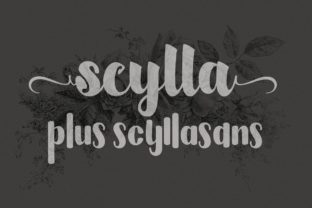
In the world of typography, the choice of a font can significantly influence the visual impact and readability of any text. Among the many fonts available, Scylla stands out as a bold script font that offers both elegance and strength. Its flexible characters provide a unique blend of sophistication and power, making it a popular choice for designers, writers, and creators looking to make a statement with their work.
The name Scylla itself evokes a sense of boldness and dynamism, much like the font it represents. This script font is designed to capture attention while maintaining a level of refinement that suits various design contexts. Whether used in branding, editorial layouts, or digital content, Scylla adds a distinctive flair that can elevate any project.
Characteristics of Scylla
One of the most notable features of Scylla is its flexibility. Each character is crafted with fluidity in mind, allowing for seamless integration across different sizes and weights. This adaptability makes it suitable for both large headlines and smaller body text, ensuring consistency throughout a design.
The font’s structure balances ornate details with clean lines, creating a look that is both striking and readable. Its curves are smooth yet deliberate, giving each letter a sense of motion and energy. This dynamic quality makes Scylla ideal for projects that require a sense of movement or urgency, such as advertisements, event promotions, or editorial pieces.
Another key aspect of Scylla is its versatility. It can be used in a variety of styles, from formal to casual, depending on the context. For instance, when paired with a sans-serif typeface, Scylla can add a touch of personality to a minimalist design. Conversely, when used alongside another script font, it can create a layered and sophisticated effect.
Advantages of Using Scylla
One of the primary advantages of Scylla is its ability to convey emotion through typography. The font’s bold strokes and flowing lines can evoke feelings of confidence, creativity, and innovation. This emotional resonance makes it particularly effective in branding, where the goal is to connect with an audience on a deeper level.
Additionally, Scylla’s legibility ensures that it remains functional even at smaller sizes. While some script fonts become difficult to read when reduced in size, Scylla maintains clarity without sacrificing its aesthetic appeal. This makes it a practical choice for a wide range of applications, including web design, mobile interfaces, and printed materials.
Another benefit of using Scylla is its compatibility with different design systems. It can be integrated into existing layouts without disrupting the overall visual harmony. This adaptability is especially valuable for designers working on multi-platform projects, where consistency across mediums is essential.
Use Cases for Scylla
Scylla finds its place in a variety of design scenarios. In the realm of branding, it is often used for logos, taglines, and promotional materials. Its bold and elegant appearance helps establish a strong visual identity that resonates with target audiences. For example, a fashion brand might use Scylla to create a logo that exudes style and confidence.
In editorial design, Scylla can be used to highlight key sections of a publication, such as headings or pull quotes. Its distinctive style draws the reader’s eye and adds a layer of visual interest to the content. This makes it a valuable tool for magazines, newspapers, and online publications seeking to engage their readers with compelling typography.
Web designers also find value in Scylla for creating visually appealing user interfaces. When used for navigation menus, buttons, or call-to-action elements, it can enhance the user experience by adding a sense of movement and interactivity. However, it is important to use the font strategically to avoid overwhelming the user with too much visual complexity.
Considerations When Using Scylla
While Scylla is a powerful font, it is not always the best choice for every project. Designers should consider the context in which it will be used and ensure that it aligns with the overall design goals. For instance, a highly decorative font may not be suitable for a professional document that requires a more traditional and conservative appearance.
Another consideration is the balance between aesthetics and functionality. Although Scylla is readable at smaller sizes, it may not be the best option for long blocks of text. In such cases, pairing it with a more conventional typeface can help maintain readability while still incorporating the font’s unique character.
Finally, designers should be mindful of licensing and usage rights when incorporating Scylla into their projects. Depending on the source of the font, there may be specific restrictions on how it can be used, particularly in commercial settings. Ensuring compliance with these guidelines is essential to avoid legal issues down the line.
Scylla in the Digital Age
In today’s digital landscape, the role of typography has evolved beyond traditional print media. With the rise of web design, mobile apps, and social media, fonts like Scylla have found new avenues for expression. Their ability to convey personality and emotion makes them well-suited for digital platforms where visual storytelling is key.
For example, social media influencers and content creators often use bold script fonts to make their profiles stand out. Scylla can be used to craft eye-catching captions, profile names, or graphic elements that reflect the creator’s personal brand. This not only enhances the visual appeal but also helps build a stronger connection with the audience.
Moreover, the increasing demand for personalized and unique design elements has made fonts like Scylla more relevant than ever. As users seek originality in their digital experiences, the use of distinctive typography can set a project apart from the competition. Scylla’s bold and elegant characteristics make it an excellent choice for those looking to create a memorable impression.
Conclusion
Scylla is more than just a font—it is a tool that empowers designers and creators to express their vision with confidence and style. Its combination of boldness, elegance, and flexibility makes it a versatile choice for a wide range of applications. Whether used in branding, editorial design, or digital interfaces, Scylla adds a unique dimension to any project.
By understanding its characteristics, advantages, and potential use cases, designers can make informed decisions about when and how to incorporate Scylla into their work. Ultimately, the font’s ability to balance form and function ensures that it remains a valuable asset in the ever-evolving world of typography.