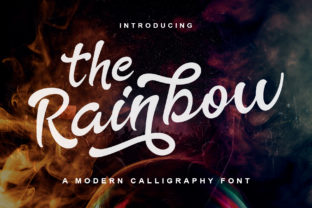
The Rainbow: A Modern Calligraphy Font for Creative Expression
The Rainbow is more than just a font—it's a versatile tool that brings color, clarity, and creativity to any design project. With its modern calligraphy style, it offers a unique blend of elegance and informality that appeals to both designers and everyday users. Whether you're working on a personal project or a professional campaign, The Rainbow can elevate your visual storytelling with its relaxed yet refined aesthetic.
What Makes The Rainbow Stand Out?
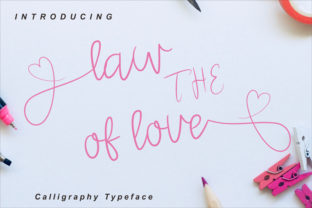
One of the most notable qualities of The Rainbow is its clear and relaxed style. Unlike traditional calligraphy fonts that can feel rigid or overly ornate, The Rainbow strikes a balance between artistry and readability. This makes it ideal for a wide range of applications, from branding and marketing materials to social media graphics and personal notes.
The font’s fluid lines and gentle curves give it a natural, handcrafted feel, which can add warmth and personality to digital content. It’s especially effective when used in contexts where a human touch is desired, such as in wedding invitations, greeting cards, or promotional banners. The Rainbow doesn’t just look good—it feels inviting and approachable.
Practical Uses for The Rainbow
Designers often turn to The Rainbow when they need a font that can adapt to different styles without losing its identity. Its versatility allows it to work well in both minimalist and more elaborate designs. For example, in a clean, modern layout, The Rainbow can serve as a headline font that adds a touch of sophistication. In a more artistic setting, it can be used as a decorative element that enhances the overall visual appeal.
Another practical use for The Rainbow is in digital content creation. With the rise of social media platforms and online publishing, having a font that looks great on screens is essential. The Rainbow’s legibility at various sizes ensures that it remains effective whether it's used in a small caption or a large banner. This makes it a go-to choice for bloggers, influencers, and content creators who want to maintain a consistent visual identity across different mediums.
How The Rainbow Fits Into Modern Workflows
In today’s fast-paced creative industry, efficiency and flexibility are key. The Rainbow supports this by offering a font that can be easily integrated into design software like Adobe Illustrator, Photoshop, and Canva. Its compatibility with these tools means that users don’t have to worry about technical limitations when incorporating it into their projects.
Moreover, The Rainbow is designed with accessibility in mind. Its open letterforms and balanced spacing make it easier to read, even for those with visual impairments. This is an important consideration for designers who want to ensure that their work is inclusive and reaches a broader audience.
Scenarios Where The Rainbow Shines
Consider a scenario where a small business owner is creating a new brand identity. They might choose The Rainbow for their logo because it conveys a sense of creativity and approachability. The font’s soft curves and vibrant character set it apart from more conventional typefaces, helping the brand stand out in a competitive market.
Another example could be a teacher designing classroom materials. The Rainbow can be used to create visually engaging worksheets or posters that capture students’ attention while maintaining clarity. Its relaxed style helps to reduce the intimidation factor of academic content, making learning more enjoyable.
For personal use, The Rainbow is perfect for journaling, bullet points, or handwritten-style notes. It adds a personal flair to digital documents, making them feel more authentic and expressive. Whether you’re writing a thank-you note or planning a trip, The Rainbow can bring a little extra joy to your daily tasks.
Choosing The Rainbow: Key Considerations
Before adopting The Rainbow, it’s important to consider the context in which it will be used. While it excels in many situations, it may not be the best choice for all types of projects. For instance, if you’re designing a document that requires a high level of formality, such as a legal contract or an academic paper, a more traditional serif or sans-serif font might be more appropriate.
Additionally, users should be aware of licensing terms when using The Rainbow in commercial projects. Ensuring that you have the proper rights to use the font is crucial to avoid any legal issues down the line. Many font foundries offer different licenses based on usage, so it’s worth researching the options available.
Recommendations for Using The Rainbow
To get the most out of The Rainbow, start by experimenting with different sizes and weights. While the font is designed to be readable at various scales, adjusting its size can help you achieve the desired visual impact. For example, using a larger size for headings can draw attention, while a smaller size for body text can maintain readability without overwhelming the reader.
Pairing The Rainbow with complementary fonts can also enhance its effectiveness. A simple, clean sans-serif font like Arial or Helvetica can provide contrast and balance, allowing The Rainbow to shine as a focal point. This combination works well in both print and digital formats, offering a harmonious visual experience.
Finally, don’t be afraid to play with color. The Rainbow’s name suggests a vibrant, colorful aesthetic, and using it in a multi-colored format can add depth and interest to your designs. However, it’s important to maintain a cohesive color scheme to avoid clutter and ensure that the message remains clear.