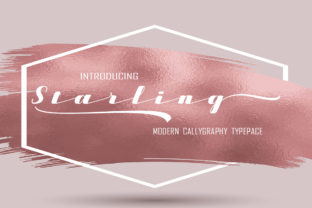
Starling: A Modern Calligraphy Font for Creative Workflows
Starling is a modern calligraphy font that brings a handwritten touch to digital design. Created with care, it features unique forms of calligraphy that add character and elegance to any project. Whether you're designing a logo, crafting wedding invitations, or creating signage, Starling offers a versatile solution that fits seamlessly into various creative workflows.
This font is ideal for professionals and creators who want to add a personal, artistic flair to their work. Its elegant strokes and fluid lines make it perfect for headings, logos, and other visual elements where style and readability are essential. By incorporating Starling into your design process, you can elevate the aesthetic quality of your projects while maintaining clarity and professionalism.
Understanding Starling in the Broader Design Process
Incorporating Starling into your workflow begins with understanding how it complements existing tools and methods. As a calligraphy font, it works well alongside graphic design software such as Adobe Illustrator, Photoshop, or Canva. These platforms allow you to experiment with different layouts, sizes, and colors, ensuring that Starling enhances rather than complicates your design choices.
Before starting a project, consider the purpose of the design. If you're creating a logo, for example, Starling can provide a distinctive identity that sets your brand apart. During the development phase, you might use it to draft mockups or test different visual hierarchies. After the project is complete, Starling can help maintain consistency across all materials, from business cards to digital assets.
Practical Use Cases for Starling
Starling's flexibility makes it suitable for a wide range of applications. For instance, when designing wedding invitations, it adds a personal, elegant touch that reflects the couple's style. In marketing, it can be used for headlines on posters or social media graphics, drawing attention without overwhelming the viewer. On t-shirts or merchandise, it provides a stylish, handcrafted look that stands out.
For educators and publishers, Starling can enhance the visual appeal of lesson plans, brochures, or newsletters. It’s also useful for small business owners looking to create professional yet distinctive branding materials. Whether you're working on a one-time project or building a long-term brand identity, Starling offers a consistent and adaptable solution.
Integrating Starling into Your Workflow
To integrate Starling smoothly into your routine, start by selecting the right file format. Most fonts are available in TTF or OTF formats, which are compatible with most design software. Once installed, you can access Starling through your design tools, allowing you to experiment with different styles and layouts.
When using Starling, consider the context of the design. For example, if you're creating a website header, ensure that the font size and spacing are optimized for readability. If you're designing for print, check that the font displays correctly at different sizes and resolutions. These small adjustments can significantly impact the overall quality of your work.
Collaboration and Consistency
When working with a team, it's important to ensure that everyone has access to the same font files. This helps maintain consistency across all materials, especially when multiple designers are involved. Sharing the font files or providing instructions for installation can prevent confusion and ensure that the final output meets your expectations.
Additionally, consider using Starling in combination with other fonts. Pairing it with a more traditional typeface can create a balanced design that is both visually appealing and easy to read. This approach is particularly useful for projects that require a mix of formal and creative elements.
Long-Term Use and Maintenance
As you continue to use Starling, keep track of how it performs in different contexts. Some designs may require adjustments to spacing, alignment, or color contrast to ensure optimal readability. Regularly reviewing your work can help identify any issues early and maintain a high standard of quality.
Over time, you may find new ways to apply Starling to your projects. Staying open to experimentation can lead to innovative designs that reflect your evolving style and needs. Whether you're working on a personal passion project or a professional assignment, Starling can adapt to your goals and support your creative vision.
Conclusion
Starling is more than just a font—it's a tool that can enhance your creative process and improve the visual quality of your work. By understanding its capabilities and integrating it into your workflow, you can achieve a balance between style and functionality. Whether you're designing for a business, a personal project, or a creative endeavor, Starling offers a versatile and elegant solution that supports your goals and elevates your output.