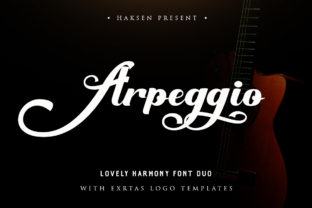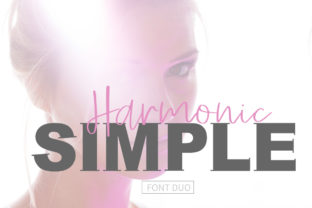
Simple Harmonic Duo: A Versatile Typography Solution
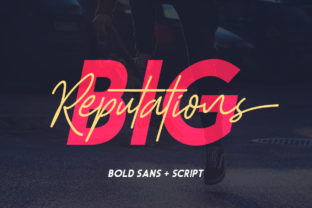
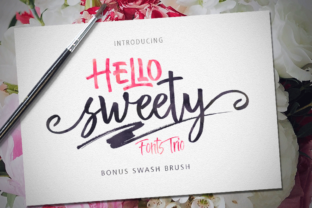
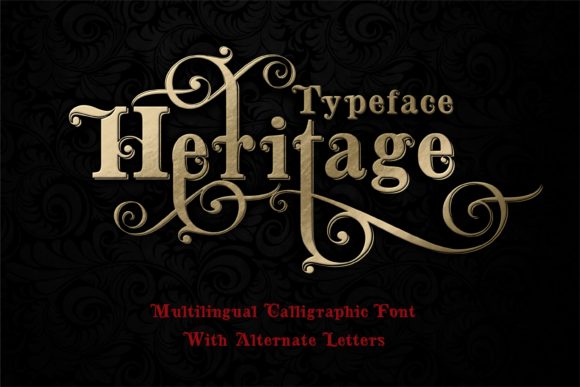
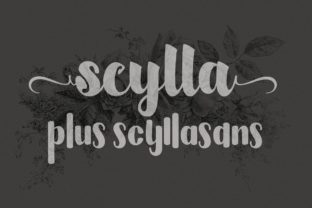
The Simple Harmonic Duo is a pair of typefaces designed to work together seamlessly, offering both elegance and clarity. Comprising a script font and a sans serif font, this duo provides a balanced aesthetic that can enhance a wide range of design projects. Whether you're working on invitations, branding materials, or blog content, the combination of these two fonts offers a refined look that can elevate your visual communication.
For designers and developers looking for a reliable typography solution, the Simple Harmonic Duo presents a compelling option. Its clean lines and flowing script create a harmonious contrast that can add visual interest without overwhelming the viewer. This makes it particularly useful in situations where a professional yet approachable appearance is desired.
Why Consider the Simple Harmonic Duo?
One of the primary reasons someone might be interested in the Simple Harmonic Duo is its versatility. The script font adds a touch of sophistication, while the sans serif ensures readability and modernity. This combination works well in both digital and print formats, making it suitable for a variety of applications.
Another advantage is the ease of use. The duo is designed with usability in mind, allowing users to switch between the two fonts without disrupting the overall design. This makes it ideal for projects that require multiple typographic elements, such as headings, body text, and captions.
The duo also offers a cohesive visual identity. By using a paired set of fonts, designers can maintain consistency across different platforms and media. This is especially important for branding efforts, where a unified look helps reinforce brand recognition.
Benefits and Tradeoffs
One of the key benefits of the Simple Harmonic Duo is its ability to create a visually appealing contrast. The script font can be used for headlines or decorative elements, while the sans serif serves as a reliable base for longer text. This dynamic pairing allows for creative flexibility without sacrificing legibility.
However, there are tradeoffs to consider. While the script font is elegant, it may not be suitable for all types of content. In some cases, the flowing style could reduce readability, especially in large blocks of text. Users should carefully evaluate whether the script font aligns with their specific needs.
Additionally, the availability of the duo may depend on the platform or software being used. Some design tools may not support the full range of features, which could limit the effectiveness of the fonts in certain workflows. It's important to test the fonts in real-world scenarios before committing to them.
Situations Where It Fits Well
The Simple Harmonic Duo is particularly well-suited for projects that require a balance of form and function. For example, wedding invitations often benefit from a mix of elegant script and clean sans serif, making this duo a strong candidate for such designs. The combination can convey a sense of refinement while maintaining clarity.
Branding initiatives that aim for a modern yet sophisticated image may also find the duo beneficial. Companies looking to establish a professional identity can use the script font for logos or taglines, while the sans serif handles supporting text. This creates a polished and cohesive look that resonates with target audiences.
In the context of blog posts or editorial content, the duo can help differentiate sections and draw attention to key points. Using the script font for headings and the sans serif for body text can improve the overall reading experience, provided the script is used judiciously.
When Alternatives May Be Better
While the Simple Harmonic Duo offers many advantages, there are scenarios where alternative fonts may be more appropriate. For instance, if a project requires a highly readable font for long-form content, a more traditional sans serif might be preferable. Fonts like Arial, Helvetica, or Roboto are known for their clarity and are often used in academic or technical contexts.
Similarly, if the goal is to create a bold or distinctive visual identity, a more unique or stylized font could be better suited. Designers looking for a strong statement might opt for a custom typeface or a more expressive script that stands out from the crowd.
It's also worth considering the audience when choosing typography. If the target demographic prefers a more casual or informal look, a simpler font might be more effective. The right choice depends on the message being conveyed and the expectations of the audience.
Practical Decision-Making Insights
When evaluating the Simple Harmonic Duo, it's important to start by defining the purpose of the project. Are you creating something that emphasizes elegance, or does functionality take precedence? Answering this question can help determine whether the duo is the best fit.
Testing the fonts in different contexts is another crucial step. Try using the script font for headings and the sans serif for body text to see how they interact. Pay attention to how the fonts perform in various sizes and formats, as this can impact their effectiveness.
Finally, consider the broader design ecosystem. Does the duo complement other elements of the design, such as colors, images, and layout? A successful typography choice should enhance the overall composition rather than compete with it.
By taking a thoughtful and practical approach, users can make an informed decision about whether the Simple Harmonic Duo meets their needs. Whether it's the right choice or not, understanding the strengths and limitations of the duo can help guide the selection process effectively.