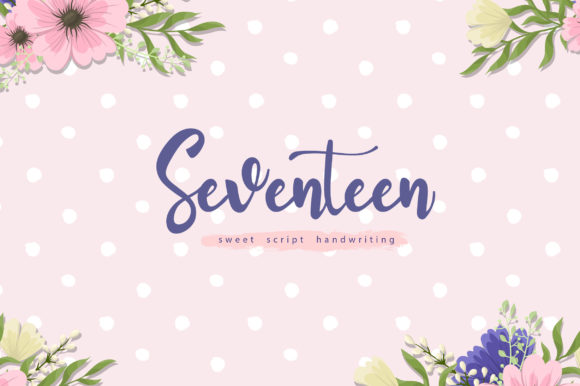
Seventeen: A Unique Script Font for Creative Designs
The Seventeen font is a distinctive script typeface that combines elegance with a playful touch. Designed as a handwritten font, it offers a personal and authentic feel, making it ideal for projects that require a custom or artisanal look. This article explores the characteristics of Seventeen, its potential uses, and factors to consider when deciding whether it suits your design needs.
What Is Seventeen?
Seventeen is a script font that mimics the appearance of hand-drawn lettering. Its fluid, cursive style gives it a soft and approachable aesthetic. Unlike more formal script fonts, Seventeen retains the irregularities of handwriting, which adds a sense of warmth and individuality. This makes it particularly appealing for designs that aim to convey creativity, emotion, or a personal touch.
The font's name, "Seventeen," may suggest a specific number or theme, but its design is more about capturing the essence of a unique, handwritten style. It is often used in branding, invitations, logos, and other visual elements where a custom feel is desired.
Why Someone Might Be Interested in Seventeen
Designers and creatives who seek to add a human element to their work may find Seventeen appealing. Its handwritten nature can make text feel more genuine and less mechanical, which is especially valuable in areas like wedding invitations, greeting cards, or artistic typography. Additionally, the font's versatility allows it to be used in both digital and print formats, offering flexibility across different media.
For those looking to stand out from standard typefaces, Seventeen provides an alternative that is both eye-catching and distinctive. It is particularly suited for projects that require a nostalgic or whimsical vibe, such as vintage-themed designs or creative campaigns targeting younger audiences.
Benefits of Using Seventeen
One of the main advantages of Seventeen is its ability to convey personality and authenticity. The handwritten style can evoke emotions and create a stronger connection with the audience. This makes it an excellent choice for brands or individuals who want to express a unique identity through their visual materials.
Another benefit is its readability in certain contexts. While script fonts can sometimes be difficult to read, Seventeen is designed with clarity in mind, allowing it to be legible even at smaller sizes. This makes it suitable for headings, titles, and short phrases where visual appeal and readability are both important.
Additionally, the font’s versatility means it can be paired with other typefaces to create balanced and cohesive designs. It works well alongside sans-serif or serif fonts, allowing for a mix of styles that enhances the overall composition.
Tradeoffs and Considerations
Despite its strengths, Seventeen may not be the best choice for every project. Its informal style may not be appropriate for professional or corporate settings where a more polished and structured look is expected. In such cases, a more traditional typeface might be more suitable.
Readability can also be a challenge in longer text blocks. While it works well for headlines and short phrases, using it for body text could lead to fatigue for readers. Designers should consider the context in which the font will be used and ensure that it aligns with the overall message and purpose of the design.
Another consideration is the availability of the font. Not all design platforms or software may support Seventeen, so users should verify compatibility before incorporating it into their projects. Additionally, licensing terms should be reviewed to ensure proper use, especially for commercial applications.
Situations Where Seventeen Is a Strong Fit
Seventeen is ideal for projects that prioritize creativity and personal expression. For example, it can be used in branding for small businesses, artists, or independent creators who want to establish a distinct identity. Its handwritten style also makes it a good fit for social media content, where a casual and engaging tone is desired.
Event planning is another area where Seventeen can shine. Wedding invitations, party flyers, and promotional materials often benefit from a custom and elegant look, which this font can provide. It can also be used in editorial design, such as magazine layouts or book covers, to add a unique visual element.
In addition, Seventeen is well-suited for digital marketing campaigns that aim to connect with audiences on an emotional level. Its friendly and approachable style can help build a sense of trust and relatability, which is beneficial for brands seeking to foster customer engagement.
Situations Where Alternatives May Be Worth Considering
For more formal or high-stakes projects, alternatives to Seventeen may be more appropriate. Fonts like Garamond, Times New Roman, or Helvetica offer a more structured and professional appearance, which is better suited for business documents, academic papers, or corporate presentations.
If a designer is looking for a more modern or minimalist aesthetic, they might prefer a clean sans-serif font like Montserrat or Open Sans. These fonts provide a sleek and contemporary look that is versatile across various design applications.
For projects requiring maximum readability, especially in long-form text, a serif font like Georgia or a sans-serif font like Arial could be a better choice. These fonts are optimized for clarity and ease of reading, making them ideal for websites, books, and other text-heavy materials.
Practical Decision-Making Insights
When deciding whether to use Seventeen, it’s important to evaluate the goals of the project and the intended audience. Ask yourself: Does the font align with the message and tone of the design? Will it enhance or detract from the overall visual impact? By considering these questions, designers can make informed choices that support their creative objectives.
Testing the font in different contexts is also recommended. Experiment with how it looks in various sizes, colors, and backgrounds to ensure it meets the desired standards. This process can help identify any potential issues and guide adjustments to achieve the best results.
Finally, staying open to alternatives is key. While Seventeen has its own unique qualities, there may be other fonts that better suit specific needs. Exploring a range of options allows for a more comprehensive evaluation and ensures that the final choice is the most effective for the project at hand.