Tingkerbella: A Handwritten Script Font for Creative Expression
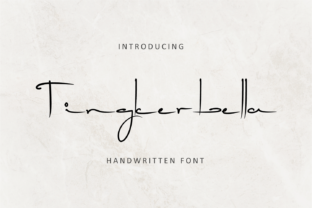
If you're looking to add a personal, handmade touch to your designs, Tingkerbella might be the perfect script font for you. This elegant and expressive typeface mimics the natural flow of handwriting, making it ideal for projects that require warmth, authenticity, and artistic flair. Whether you're designing a logo, crafting a social media post, or creating a greeting card, Tingkerbella can elevate your work with its unique character.
However, while Tingkerbella is visually appealing, there are several factors to consider before incorporating it into your design workflow. Understanding these nuances can help you make informed decisions and avoid common pitfalls that may compromise your results.
What Makes Tingkerbella Unique?
Tingkerbella stands out due to its handwritten style, which gives it a more organic and personal feel compared to other script fonts. This makes it particularly useful for branding, invitations, and marketing materials where a human touch is essential. Its fluid lines and subtle variations in weight create a sense of movement and emotion, helping to convey messages more effectively.
The font is also highly legible in most sizes, making it suitable for both large headlines and smaller text. However, it's important to note that not all script fonts are created equal. Some may look beautiful on paper but become difficult to read when used in digital formats or at smaller sizes.
Common Mistakes When Using Tingkerbella
One of the most frequent mistakes when using Tingkerbella is overusing it. While the font is versatile, it can quickly become overwhelming if used excessively. For example, using it for entire paragraphs or long blocks of text may reduce readability and make your design appear cluttered. Instead, use it as a highlight or accent to draw attention to key elements.
Another common mistake is not considering the context in which the font will be used. Tingkerbella works well for creative or casual projects, but it may not be appropriate for formal documents, such as legal contracts or business reports. In such cases, a more traditional serif or sans-serif font would be more suitable.
Additionally, some users overlook the importance of licensing. Before downloading or purchasing Tingkerbella, ensure that you have the proper rights to use it for your intended purpose. Failure to do so could lead to legal issues, especially if you're using the font commercially.
How to Avoid These Mistakes
To get the most out of Tingkerbella, start by understanding its strengths and limitations. Use it strategically to enhance your design rather than relying on it for every element. For instance, pair it with a clean, modern font for contrast and balance. This approach can help maintain visual harmony while still showcasing the personality of Tingkerbella.
Before finalizing your design, test Tingkerbella in different sizes and formats. View it on various devices and backgrounds to ensure it remains readable and visually appealing. If possible, print a sample to see how it looks in physical form, as digital previews may not always reflect the final result.
Also, take time to research the font’s licensing terms. Many script fonts come with specific restrictions, such as limits on commercial use or requirements for attribution. Familiarize yourself with these details to avoid any potential conflicts.
Realistic Examples and Better Approaches
Imagine you're designing a wedding invitation. Using Tingkerbella for the couple's names and the event details can add a personal and elegant touch. However, using it for the entire invitation may make it hard to read and less professional. Instead, use it for headings and titles, and pair it with a simpler font for the body text.
For a small business owner creating a social media campaign, Tingkerbella can be an effective tool for eye-catching headlines or call-to-action buttons. But if the font is too ornate, it might distract from the message. In this case, using it sparingly and ensuring it complements the overall design will yield better results.
What to Check Before Using Tingkerbella
Before deciding to use Tingkerbella, ask yourself a few key questions. Is the font appropriate for the project's tone and audience? Will it enhance the message or confuse the reader? Does it align with your brand’s identity? Answering these questions can help you determine whether Tingkerbella is the right choice.
Additionally, check the font’s availability and compatibility. Not all platforms support every font, so ensure that Tingkerbella works across the devices and software you plan to use. If you’re working with a team, confirm that everyone has access to the same version of the font to maintain consistency.
Conclusion: Make Smart Choices with Tingkerbella
Tingkerbella is a powerful tool for adding a handmade, personal feel to your designs. However, like any font, it requires thoughtful application to achieve the best results. By avoiding common mistakes, testing the font thoroughly, and using it strategically, you can maximize its impact and create more engaging, professional-looking work.
Remember, the goal is not just to use a beautiful font, but to use it wisely. With the right approach, Tingkerbella can become a valuable asset in your design toolkit, helping you express creativity while maintaining clarity and effectiveness.