Gallivant: A Handwritten Serif Font with a Youthful Vibe
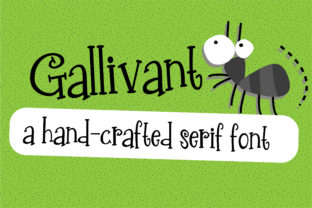
If you're looking for a font that brings a personal, approachable feel to your designs, Gallivant might be just what you need. This casual handwritten serif font has a youthful energy that can add character to everything from social media posts to packaging and branding materials. Whether you're a designer, marketer, or small business owner, understanding when and how to use Gallivant can make a big difference in how your message is received.
What Is Gallivant?
Gallivant is a typeface that mimics the natural flow of handwriting. Its irregular shapes and soft curves give it a warm, friendly appearance that feels more like a personal note than a formal design element. It’s ideal for projects that want to feel authentic and relatable rather than rigid or corporate. The font’s unique style makes it stand out in a world of sleek, modern typefaces, offering a refreshing alternative for those who want to convey creativity and individuality.
When to Use Gallivant
There are many situations where Gallivant can shine. For instance, if you're creating content for a lifestyle blog, a local café, or a creative workshop, this font can help establish a sense of community and approachability. It works especially well in digital spaces like Instagram stories, Pinterest boards, or website headers where a personal touch can make a big impact.
Businesses that want to appear more personable might also find Gallivant useful. Imagine a boutique brand using it on product labels or a teacher using it for classroom materials. The font’s casual nature makes it perfect for anything that doesn’t require a strict, formal tone.
Real-World Use Cases for Gallivant
Let’s look at some practical scenarios where Gallivant could be a great fit. Suppose you’re launching a new line of handmade soaps. Using Gallivant on your packaging could make the product feel more artisanal and connected to the maker’s personality. Similarly, if you’re designing a flyer for a local art event, the font could add a whimsical, inviting vibe that draws people in.
For educators, Gallivant could be used in lesson plans or student handouts to create a more engaging and less intimidating learning environment. In a professional setting, it might be used sparingly in presentations or reports to highlight key points without overwhelming the reader.
How Different Users Can Benefit
Not everyone will use Gallivant in the same way. A freelance writer might use it for headings in a blog post to give it a more personal feel, while a small business owner could use it for social media captions to build a stronger connection with their audience. A graphic designer might incorporate it into a logo to add a unique, handcrafted touch.
The font’s flexibility allows it to adapt to different needs. It’s not just about aesthetics—it’s about creating a specific mood or message. When used thoughtfully, Gallivant can help users communicate in a way that feels genuine and authentic.
Considerations Before Using Gallivant
Before jumping into using Gallivant, it’s important to consider its limitations. While it’s great for adding a personal touch, it may not be suitable for all types of content. If you’re working on something that requires a high level of readability—like a long-form article or a technical document—you might want to pair it with a more traditional font for contrast.
Also, keep in mind that the font’s informal nature may not align with every brand’s identity. If your business or project has a more serious or professional image, you’ll want to ensure that Gallivant complements rather than clashes with that tone. Testing the font in different contexts can help you determine whether it’s the right choice for your needs.
How Gallivant Compares to Other Fonts
Gallivant isn’t the only handwritten font available, but it stands out for its balance between casual and readable. Unlike some fonts that are too chaotic or difficult to read, Gallivant maintains a level of clarity that makes it usable in a variety of settings. It’s also worth noting that Gallivant has a sister font called The Gallihopper, which is a sans-serif version with a similar playful vibe. This gives users even more options for different design styles.
For those who want to experiment with typography, having access to both Gallivant and The Gallihopper can open up new creative possibilities. You might use Gallivant for headings and The Gallihopper for body text, creating a cohesive yet dynamic visual style.
Final Thoughts on Using Gallivant
Gallivant is more than just a font—it’s a tool that can help you express personality and authenticity in your work. Whether you’re designing for a personal project, a business, or an educational setting, this font offers a fresh, approachable alternative to more rigid typefaces. By understanding when and how to use it, you can enhance your communication and connect more deeply with your audience.
As with any design element, the key is to use Gallivant with intention. Think about the message you want to convey and how the font can support that goal. With the right application, Gallivant can become a valuable part of your creative toolkit.